







Search Results for: coffee investment
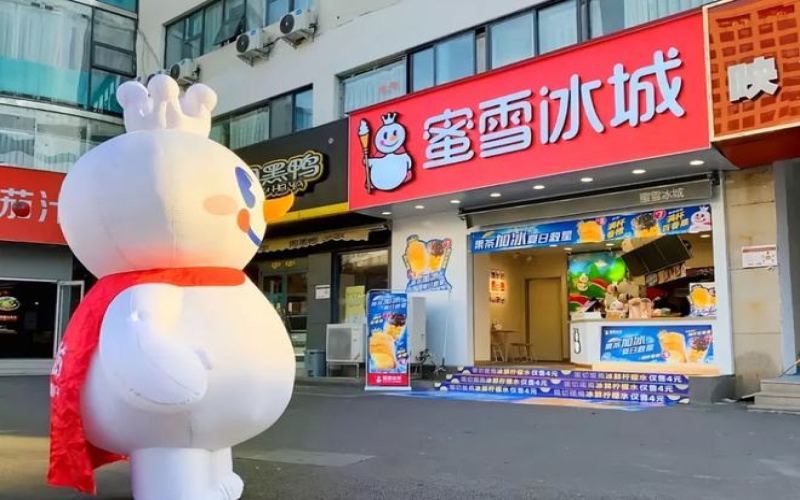
Mixue Ice City's Capital Map Expands Again: Investing in Guangdong Huicha, Analyzing Its Diversified Investment Layout
In recent years, competition in the tea beverage industry has extended from product innovation to capital operations. As a leading brand, Mixue Bingcheng has not only accelerated regional layout and supply chain development, but also further expanded its business territory by establishing Xuewang Investment Co., Ltd. and taking a stake in Guangdong Huicha Catering Management Co., Ltd. Guangdong Huicha has secured a firm foothold in the market with its original golden-burnt pearl milk tea, and this investment is also Xuewang Investment's first external investment. Meanwhile, brands such as Heytea and Chayan Yuese have also embarked on the capital path one after another, seeking richer business models through investment and mergers and acquisitions. This article sorts out the brand dynamics, investment details, and industry trends of Mixue Bingcheng's subsidiary brands, providing in-depth observations for coffee and tea beverage enthusiasts. [more…]
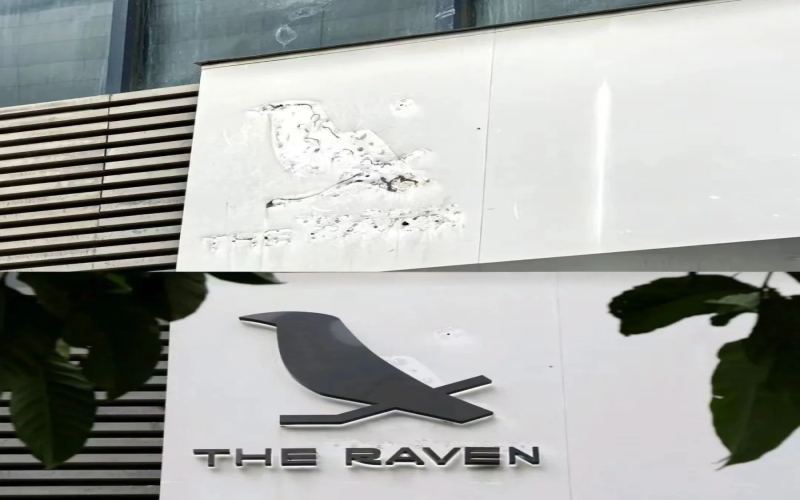
Coffee brands invested in by Heytea and Nayuki have successively contracted, with Raven Coffee's Shenzhen founding store closing, leaving only one store.
New-style tea beverage brands' attempts to cross over into the coffee track are encountering setbacks. Crow Coffee, invested in by the founder of Heytea, has closed its founding store in Shenzhen Tianli Central Plaza and put it up for rent, leaving the brand with only one store remaining in Dachong. Meanwhile, AOKKA Coffee, invested in by Nayuki, has also announced that it will close all of its Shenzhen stores by the end of August. Looking back at 2022, Heytea and Nayuki quickly entered the coffee market by investing in brands such as Seesaw, Minor Figures, KUDDO, and Monster Drowsy, but these invested brands now generally face the predicament of store closures and contraction. This article reviews the current store status of each brand and analyzes the challenges and industry competitive landscape faced by tea beverage brands crossing over into coffee. [more…]
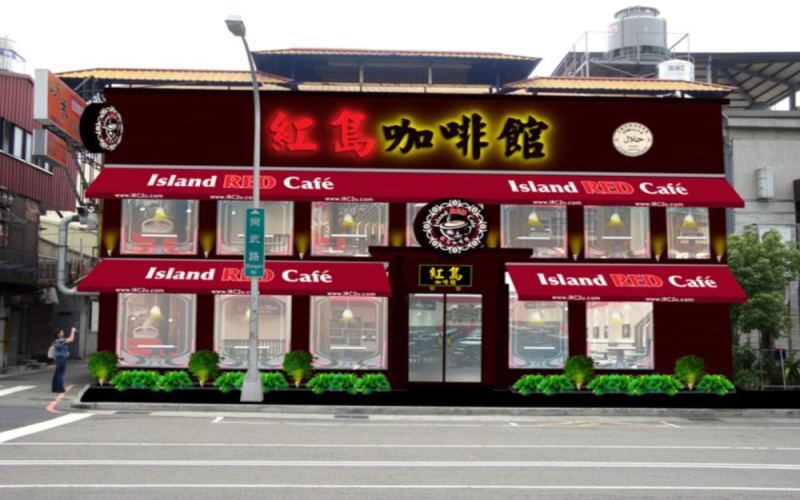
Chain Coffee Franchise Trap: Red Island Coffee Pyramid Scheme Swindles Over 30 Million Yuan, Founder Flees to Thailand and Is Finally Caught
During the 2008 financial crisis, a brand called "Red Island Coffee" was born in Malaysia, attracting Chinese businessmen with its upscale decor and high pricing. Founder Zhang Yufa claimed that investing 10,000 yuan would yield substantial monthly dividends, with an annual interest rate of 10%, and that recruiting downlines could bring even more returns. The temptation of low investment and high returns led many Chinese businessmen to open their wallets, and in the end Zhang Yufa absconded back to Malaysia with over 30 million yuan, with nearly 2 million Chinese people defrauded over the years. Although he once used money to smooth over relationships and evade justice, he was ultimately arrested under a joint operation by China, Thailand, and Malaysia. This case warns us: when faced with coffee franchise projects promising low investment and high returns, we must keep our eyes wide open. [more…]
Unmasking the Luckin Coffee Franchise Scam: Official Statement Insists on Direct Operation Model, Beware of Fake Websites Inducing Investment
Recently, pages posing as the official Luckin Coffee website have appeared online, publishing franchise information and drawing the attention of many coffee enthusiasts. However, Luckin Coffee has long clearly stated that the brand operates on a direct-management model and does not accept franchising in any form. This article will expose the tricks of these fake franchise websites, sort out Luckin Coffee's operating entities and store types, and help readers identify scams to avoid financial loss. At the same time, Front Street Coffee also reminds everyone that investing in the coffee industry requires carefully verifying official information. [more…]

Ethiopia Relaxes Foreign Investment Access: Coffee Export and Other Sectors Opened to Foreign Enterprises
The Ethiopian Investment Commission recently issued new regulations allowing foreign companies to engage in import/export, wholesale, and retail trade for the first time, with coffee exports becoming the most closely watched area of liberalization. Previously, these sectors were long restricted by protectionist policies and open only to local investors. Although the new policy sets a relatively high capital threshold, it has already sparked strong interest in the international coffee industry. However, ongoing security conflicts in some parts of the country have also added uncertainty to foreign investment entry. This article outlines the key points of the new regulations, industry reactions, and potential risks, and includes related observations from Front Street Coffee. [more…]

Chinese Investment of 50 Million USD to Develop Ethiopia's Gada Special Economic Zone: Opportunities and Security Challenges for the Coffee Processing Industry
Recently, the Ethiopian Investment Commission signed a subcontractor developer agreement with the Chinese enterprise CKIIG to develop 20 hectares of land in the Gada Special Economic Zone, with a total investment of 50 million USD (about 6 billion birr). The project focuses on areas such as coffee processing and is expected to enhance Ethiopia's coffee processing technology and export competitiveness. However, Ethiopia currently faces multiple challenges, including armed conflict, kidnapping incidents, earthquakes, and currency depreciation, causing coffee industry costs to keep rising. Front Street Coffee will continue to follow developments in the origin and bring frontline news to coffee lovers. [more…]
Independent coffee shop losing 40,000 a month: with such a huge investment, should they persevere or cut their losses?
People keep entering the coffee industry, and others quietly bow out. One café owner invested nearly 2 million yuan upfront and is now losing as much as 40,000 yuan a month, so he launched an online poll asking whether he should keep going. Faced with steep transfer fees, rent, and operating costs, eighty percent of netizens advised him to cut his losses in time. The owner ultimately decided to fight on for four more months, trying to save himself by adding food combos, extending business hours, and creating an atmospheric space. This article lays out in detail his entrepreneurial predicament, netizens' views, and the overall state of the coffee industry, offering a reference for coffee lovers and entrepreneurs. [more…]

Nestlé Launches 2030 Coffee Plan: Investing Over 1 Billion Swiss Francs to Drive Regenerative Agriculture Transition
Global food and beverage giant Nestlé announced on October 4, 2022, the launch of the "Nescafé Plan 2030," committing to invest over 1 billion Swiss francs in the Nescafé Plan by 2030 to secure coffee supply and deepen sustainability efforts. This investment more than doubles the amount from the past decade, with a core focus on helping coffee farmers transition to regenerative agriculture while planting over 20 million trees on and around farms to absorb carbon emissions. Nestlé had previously pledged that all its coffee would be sustainably sourced by 2025, and now it has set a further goal: for 20% of its coffee to be grown using regenerative agriculture methods by 2025. Given the threats climate change poses to coffee-growing regions, rising global coffee demand, and the poverty of farmers, whether this plan can bring about substantive change across the entire coffee industry chain is worth watching. [more…]
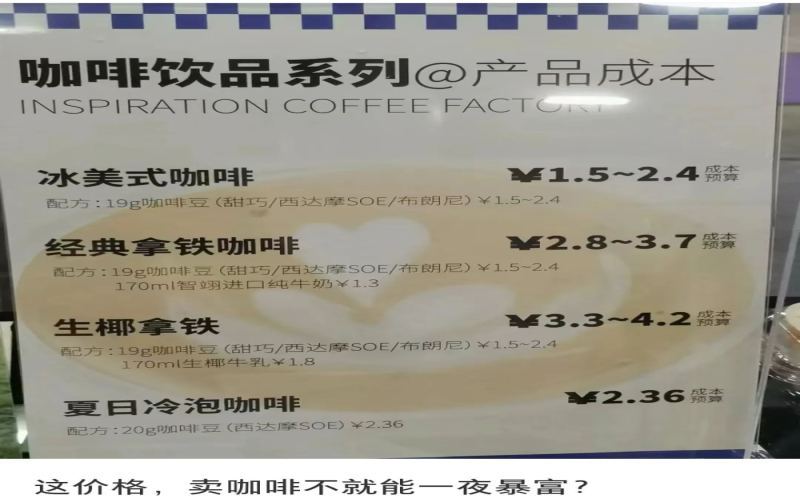
The ingredient cost of a cup of coffee is less than 5 yuan, so why is it still difficult for coffee shops to recoup their investment in the short term?
The ingredient cost of an iced Americano may be only 1.5 yuan, and a coconut latte is just 4.2 yuan. Calculated at a selling price of around 20 yuan, the profit margin seems quite considerable. Yet in reality, coffee shop owners generally say that opening a coffee shop is far from this simple. Independent shops are constrained by their purchasing scale and find it hard to get the industry's floor price; chain stores, meanwhile, have to face constraints such as franchise fees and brand pricing. Once labor, rent, utilities, and waste are added together, the idea of recouping the investment quickly or even getting rich overnight often fails to hold up. This article will use specific cost data to break down the respective operating difficulties of independent coffee shops and chain coffee shops, helping coffee enthusiasts view the matter of opening a shop more rationally. [more…]
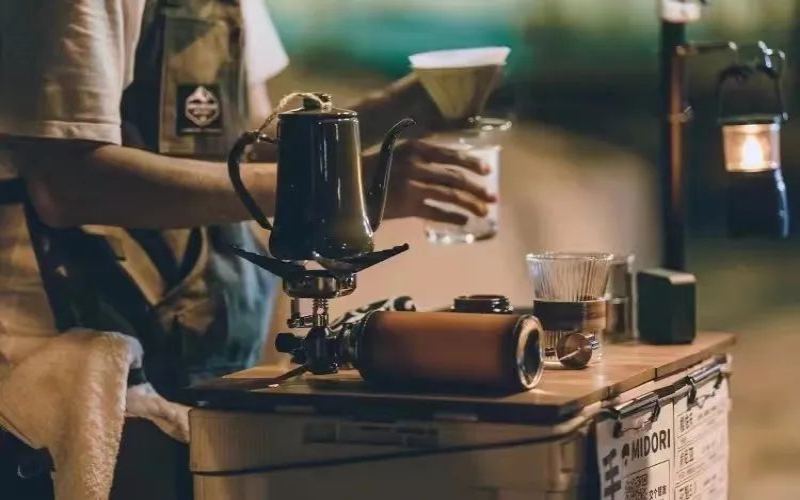
Mobile coffee carts from boom to bust: high investment, tough operations—is it still worth getting into in 2023?
Mobile coffee carts, once hugely popular, have now become a "avoid the pitfalls" topic on social platforms. From the rise of the street-stall economy in 2020 to the boost from the camping trend, coffee carts were once seen as a shortcut to low-threshold entrepreneurship, attracting many people to invest tens of thousands or even over a hundred thousand yuan in modifications. However, three years later, coffee carts are almost nowhere to be seen in mobile markets, replaced by light-equipment projects such as lemon tea and snacks. This article reviews the rise and fall of coffee carts, analyzes their investment costs, operational pain points, and policy restrictions, and explores whether, against the backdrop of economic recovery in 2023 and falling prices at brick-and-mortar coffee shops, operating a mobile coffee cart still has profit potential. [more…]
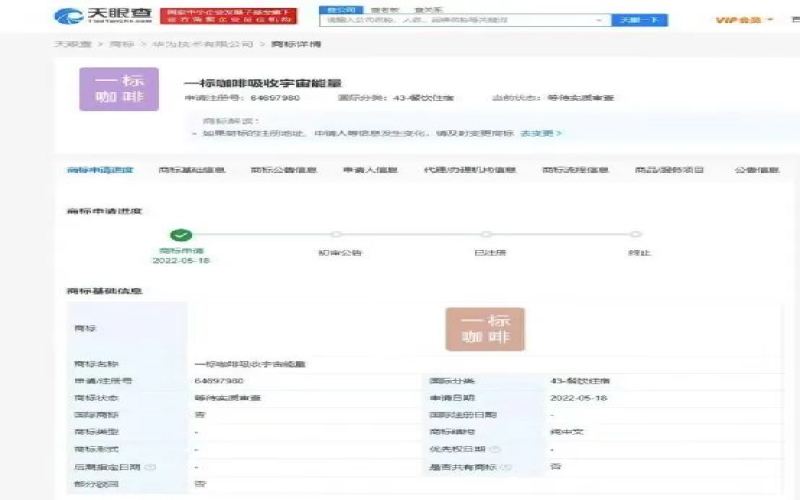
Huawei Exclusively Invests in Shared Coffee and Tea Space, Another Move in Its Coffee Strategic Layout
In recent years, the coffee sector has continued to heat up, with industry giants rushing in. Huawei Technologies Co., Ltd. previously applied to register the trademark "One Standard Coffee Absorbs Cosmic Energy"; although it has not opened physical stores, its coffee strategy has not stopped there. Recently, Huawei exclusively invested in a tens-of-millions-yuan angel round financing for Jiangsu Bageai Coffee Operation Co., Ltd., drawing attention. This 24-hour unattended shared coffee and tea room provides an independent third-party space, reflecting Huawei's judgment on future trends in intelligent perception and shared spaces. Coffee and tea here are more of an ancillary service, while what Huawei values may be coffee's connective value as a global medium. [more…]

Which brand is reliable when joining a coffee shop franchise? How much does the initial investment actually cost?
In the past year or two, the popularity of coffee entrepreneurship has continued to rise, and many office workers have begun to entertain the idea of opening a shop and becoming their own boss. A coffee shop that seems to have low barriers to entry, requires little investment, and has an artistic atmosphere has become the ideal project in many people's minds. But when they actually start, they discover that they have no idea where to begin, from site selection to promotion, so franchise chains have become a popular option. Advertisements promising "zero threshold" and "easy to be your own boss" are everywhere, but is the reality really that rosy? This article sorts out the main models of coffee franchising today, helps you calculate the upfront investment clearly, and gives the key points to note when choosing a franchise brand, in the hope of offering some reference for those who are still hesitating. [more…]

Starbucks establishes a technology innovation center in China, with an initial investment of 1.5 billion yuan to accelerate its digitalization process.
Starbucks recently announced the establishment of a China Innovation and Technology Center in Shenzhen, planned to officially begin operations in September of this year, with an initial investment of approximately 1.5 billion RMB over the next three years. This move marks a further deepening of Starbucks' digital layout in the Chinese market. As a well-known brand in the coffee industry, Starbucks' action has attracted widespread attention, and local brands such as Front Street Coffee are also continuously monitoring industry developments. [more…]

Ethiopia will allow foreign capital to participate in trade.
Recently, according to the local Ethiopian media reporter network, under the leadership of Ethiopian Prime Minister Abiy, the Ethiopian Investment Commission (EIC) has issued a new law that will allow foreign enterprises to participate in import and [more…]
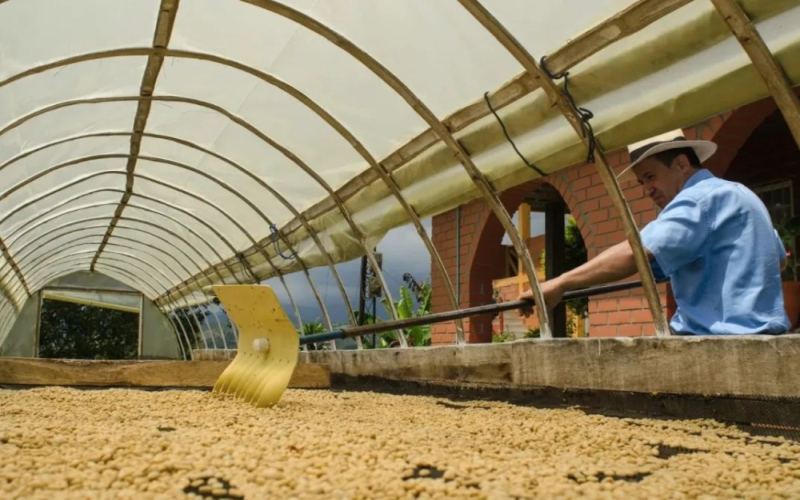
Colombia invests 22 billion pesos to support agriculture, coffee production is expected to exceed 13 million bags, but multiple challenges remain.
Colombia, as the world's third-largest coffee producer, has recently received a series of favorable news: a bank report shows significant growth in agricultural output and announces an investment of 22 billion Colombian pesos to support agricultural development. Meanwhile, the country's coffee production is expected to reach 12.53 million bags in the 2023/24 season, a year-on-year increase of 18%, and is expected to exceed 13 million bags in the 2024/25 season. However, drought, forest fires, rising cultivation costs, internal conflict, and the possible arrival of La Niña still bring many uncertainties to the coffee industry. This article will review the latest developments and potential risks in Colombia's coffee industry. [more…]

Luckin's Kunshan roasting base breaks ground: second self-built factory boosts annual capacity to 45,000 tons and fresh supply for stores
Luckin Coffee, which now operates over 7,846 stores, is accelerating its upstream supply chain expansion. Following the start of production at its first roasting plant in Pingnan, Fujian, Luckin's second fully automated smart roasting base—independently invested and built in Kunshan, Jiangsu—has recently broken ground and is expected to begin production in 2024. With a total investment of approximately US$120 million, the base covers 53,000 square meters and will have an annual roasting capacity of 30,000 tons, incorporating core equipment such as the Italian BRAMBATI roasting system. By then, Luckin's two major roasting bases will have a combined annual capacity of over 45,000 tons, supplying fresher and safer green coffee beans to stores nationwide while advancing the brand toward its goal of a globalized, refined supply chain. [more…]

Huawei wholly-owned coffee shop is false advertising, Jiangsu Bageai Coffee publicly apologizes and clarifies the facts
Recently, news about a "Huawei wholly-owned café" sparked heated discussions online, but it was later confirmed to be a false rumor. Jiangsu Bageai Coffee Operation Co., Ltd. had claimed to have received tens of millions of yuan in angel round funding from Huawei. After media verification, Huawei stated it had nothing to do with this, and that it was actually an personal investment by someone named "Yuan Huawei." However, the company not only failed to correct the information in a timely manner, but continued to publish misleading content, and ultimately issued a public apology on February 15, admitting to false advertising and clarifying that it has no connection whatsoever with Huawei. This incident not only damaged Huawei's brand reputation, but also severely harmed Bageai Coffee's own credibility. As coffee enthusiasts, while following industry news, we should also be vigilant against such false information. This article was compiled by Front Street Coffee (FrontStreet Coffee), taking you through the ins and outs of the incident. [more…]

China-Peru FTA Upgrade Negotiations Conclude: Peruvian Coffee Exports Face Opportunities Amid Cold Snap Challenges
China and Peru have substantially concluded negotiations to upgrade their free trade agreement, opening a new chapter in bilateral trade and investment cooperation. During her visit to China, Peruvian President Boluarte actively promoted investment opportunities, while China's ever-growing coffee consumption market has also injected momentum into Peru's coffee exports. In the first quarter of 2024, Peru's coffee export growth rate reached 69%, and the soon-to-be-completed Chancay Port is regarded as South America's gateway to Asia. However, just as El Niño has retreated, La Niña may return, and low temperatures will directly hit the coffee harvest season from May to September. With opportunities and challenges coexisting, Peru's coffee industry is standing at a critical crossroads. [more…]
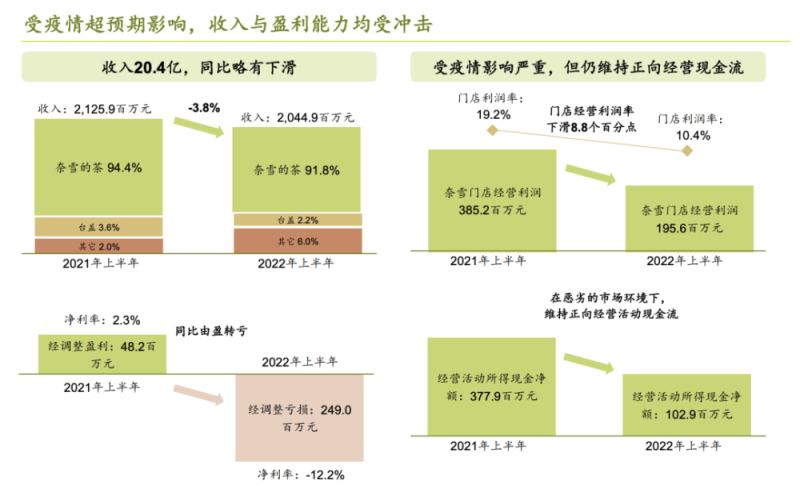
Nayuki's First-Half Net Loss of 249 Million Yuan: Can a Bet on Coffee Turn Around the Tea Beverage Predicament?
Nayuki, once hailed as the "first stock of new-style tea drinks," has delivered a less-than-stellar half-year report card: revenue dipped slightly year-on-year, and after adjustments, it swung from profit to loss. Facing multiple pressures—questions over price cuts, the impact of the pandemic, and competition from peers—Nayuki has begun setting its sights on the coffee track, seeking new growth points by investing in brands like AOKKA. Meanwhile, brands such as Heytea and Chayan Yuese are also making their own moves to save themselves. Is the collective push by new tea drink brands into coffee a move of desperation or a new trend? This article reviews Nayuki's latest performance and investment moves, and takes stock of the self-rescue paths within the industry. [more…]
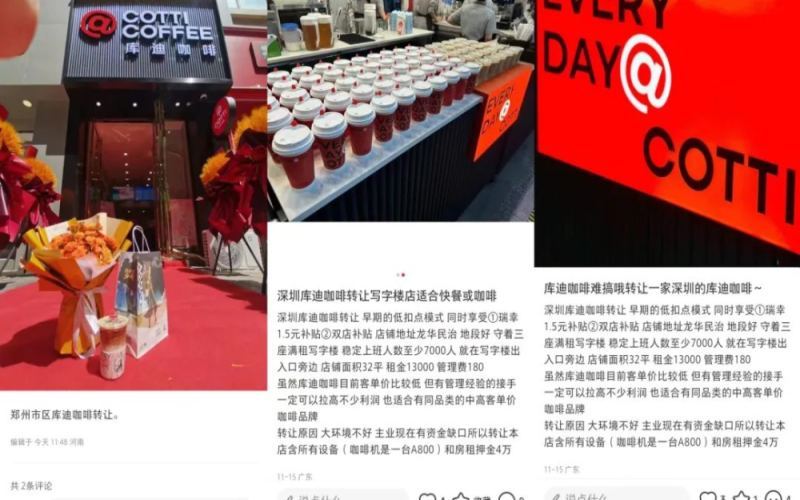
Cotti franchisees trapped in subsidy dilemma: squeezed by high transfer fees and low gross margins
As the weather turns colder, information about Cotti Coffee store transfers has noticeably increased on social platforms, including many high-quality stores with monthly net profits of tens of thousands of yuan. Behind the seemingly attractive transfers are transfer fees as high as hundreds of thousands of yuan and long payback periods. Cotti rapidly expanded to more than 6,000 stores thanks to its low-threshold franchising and generous subsidy policies, but the high subsidies also brought high costs and intense competitive pressure. Franchisees are struggling to survive between the price war and commission rules, with some lamenting that they are "helping Cotti build the market, busy but not prosperous." This article will deeply analyze the real survival picture of franchisees under Cotti's subsidy policy and explore the business logic and hidden concerns behind this franchising boom. [more…]